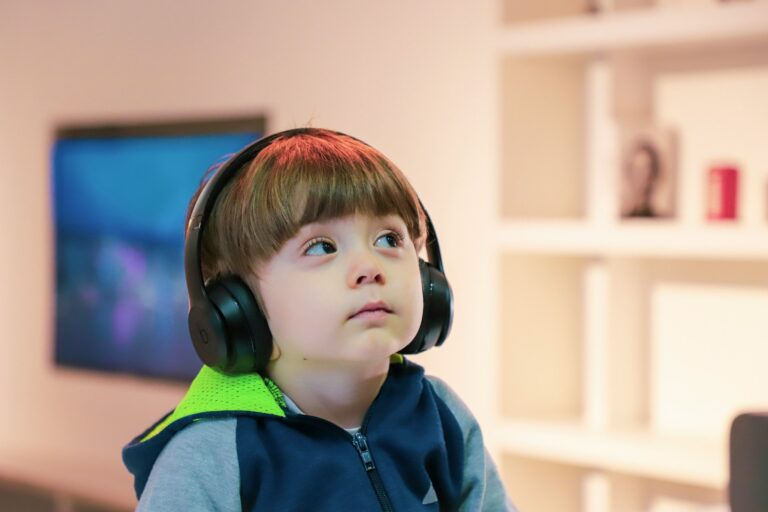

With whom do you really feel welcome? Where do you really feel accepted? That you can be 100% yourself and it’s ok? Not just that someone is tolerating you or putting up with you, but that you are really welcomed and that the other is happy or excited to be with you? That you are valued and appreciated?
Now think about what it feels like in your body when you feel welcomed and accepted? Is there an opening? Is there a warmth? A lightness? Is there a particular sense or quality in the body? In the heart, the belly, somewhere else? Imagine if you could feel that more often, what would it be like? Would your life feel different in any way?
In much of our daily interactions, there are often ways that the other either states out loud or just gives off the unspoken message, “Only some of you is welcome here.”
Personal:
I find it difficult to find many welcoming spaces.
My parents, while trying their best based on their upbringing, are not the most emotionally attuned or present. So having them rarely modeling healthy ways to express or talk about emotional matters(especially on my dad’s side) taught me the message: “I guess it is not safe to share what I’m feeling here. They leave the room or are uncomfortable with it. Maybe I should just not talk about it.”
I don’t remember my dad asking the simple question “How are you really doing?” like ever. Like really asking that and listening, The last time I remember him being more concerned was maybe 14 years or so when I was coming off of medications. Even then, it was with the goal of how can he fix it, how can he make it “better”. “Here is a supplement I found to help you not feel so depressed, son. ” Not how can he be here with it and stay present with it. Generally dad has been avoidant. On my mom’s side, she usually just wants to “make it all better.” “I’d do anything to take your place.” It seems to make her uncomfortable to hear it, so all she knows is to try to “avoid” it in a way by “fixing” it, not being able to stay present with it. Again, although the intention may be from a good place, the end result is adding to my belief that “What you share or talk about is too much. It is not welcome. It needs changed, fixed, or avoided.”
Religion has the potential to be quite damaging as well. Add on the message that religions can encourage such as “God loves you. But, you need to be doing this, and studying this, and achieving this, and helping in these ways, and volunteering this much time, and doing what these other people are doing.” Very rarely hearing the question, “What do you think about that Evan? How do you feel about it? What do you want to try? How would you like to help others? Do you enjoy this way of doing things? What ways would bring you joy or satisfaction and be refreshing for you?” Eventually the words “God loves you.” fades away and the subconcious belief is strengthened that repeats, “Evan, you are not quite good enough as you are. You are not totally accepted. You are only accepted if you meet all these requirements. You are loved, but not fully loved. You should always be trying to achieve another level up above this one.”
Praise or Excitement
What about this one? I don’t remember many times after childhood when my parents expressed excitement or praise for things I was excited about. New friends I had made. New jobs I had started. A new girl I started getting to know. New businesses I had started. A new logo and website and articles I had written. Ideas that I was learning about or interested in discussing. Sure, have they listened the best they could? Yes. But someone passively listening as a wall for us to bounce ideas off of and back to ourself is much different than an engaged and active interest. And we can pick up on this difference.
Somatic Sessions:
A phrase we use often in Embodied Processing is this:
“All is welcome here.”
“All parts of you can be as they are here in this space.”
What does this really mean?
As a practitioner I try to embody the ideas that:
“This is a safe space to share whatever you would like to. I am not uncomfortable with what you bring up. Whatever arises in the session is not too much for me. I am not going to try to avoid, fix, change, or deny your experience. I’m not going to try to make it all better. I accept you fully here, and hold you in high positive regard, with curiosity and interest and maybe even excitement and praise. There is no agenda or expectations that you have to say, or be, or do a certain thing to be ‘good enough’ for me or that you have to ‘deserve’ my attention.”
Well, another phrase you may have heard is “What you resist, persists.” This means that the thoughts and emotions that we try to push down or avoid actually stay there, persisting. Waiting. Oftentimes they get even louder or more “difficult” as time goes on, so we come up with more and more extreme ways to push them down or avoid them even more. But they are still there. As Noel Harbinger from EP says, when we resist parts of ourselves, “They just go down into the basement and pump iron and become even stronger.”
So if we do not avoid them or ignore them, what do we do?
Meeting the Stranger At the Door
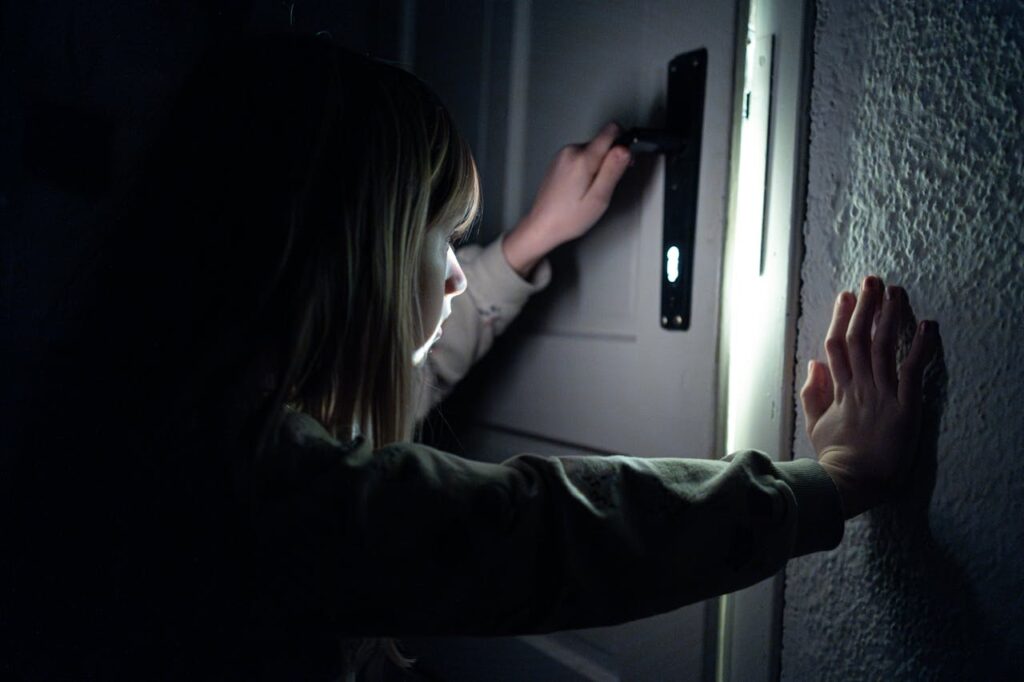
“All is welcome here.”
ALL of it.
Really???

Yes, I know this can be scary, lol.
Not just the pleasant and nice feelings in the body.
The heavy feelings. The darkness. The shame. The anger. The grief. The rage. The uncertainty. The boredom. The exhaustion. The confusion. The goofy and silly parts. The anxious parts. The jealous parts. The parts that want to destroy everybody and everything around them. The aggressive and controlling parts. They are all welcome in to our home.
The belief we learn to hold is that none of these parts of us are “bad.” They always have a good intention for us. At first glance, it may seem they are evil or bad, but as we get to know them, we see that is just not true. They may pull or push us into behaviors that we wish they would not, but we find that their intention is pure, and they are always doing the best that they could do, given the circumstances.
We slowly, gradually, build up our capacity in understanding this. Then we gradually get the strength to walk to the door. Then eventually, we invite them in to stand and talk.

We spend time with them. Looking at them closely. Learning about them. Patiently.

Then we invite them in to have coffee or tea with us. Eventually we see that they are really not scary at all. They are nothing at all like our mind had made them out to be. We start to see them as just another part of us. An important piece in a complex relationship. They are truly welcome here. They are part of us. They are part of our family.

Practical Application:
In the upcoming weeks, I invite you to observe how you show up for others.
- Do you welcome them?
- Do you steer the conversation away from topics they bring up because it makes you emotionally uncomfortable?
- Do they have to be a certain way to be acceptable of your attention and love?
- Can you stay present to them as they share heavy things, scary things, dark things?
How do you show up for yourself?
- Do you accept some emotions, but reject others?
- Which parts of you might you be knocking at the door, but you don’t want to invite them in?
- Is there fear, shame, or a certain belief of why this part of you isn’t welcome?
- What are you resisting?
Curious to work with me in the future? Send me a text, email, or call HERE. and I can put you on a waiting list for whenever I start up again.
*Notice: I’m glad to provide these resources to empower your personal health journey, not as a substitute for professional medical care. While I encourage sharing links, please respect the intellectual property of Mountain and Meadow Health, LLC. You are responsible for your own health outcomes. Consult with your trusted health advocates before making significant changes. Contact Evan Ritter for professional licensing.”
Photo Credits:
- baylee-gramling-unsplash
- amel-uzunovic-pexels
- michelle-tresemer-unsplash
- frantzou-fleurine-unsplash
- lhon-karwan-unsplash
- christopher-jolly-unsplash